Langley Highest Rated Synthetic Grass Installation: Affordable Artificial Grass Solutions
Transform Your Yard With Professional Artificial Grass Setup
Revamping a yard by means of expert synthetic turf installation gives multiple advantages. Homeowners have the ability to attain a vibrant, green landscape without the demands of conventional lawn maintenance. Expert installers focus on detailed preparation and high-quality materials, providing durability and aesthetic appeal. Because property values are increasing and upkeep expenses fall, many are considering this modern option. However, before deciding, it is crucial to consider the main benefits and factors involved. What elements must be weighed in this conversion?
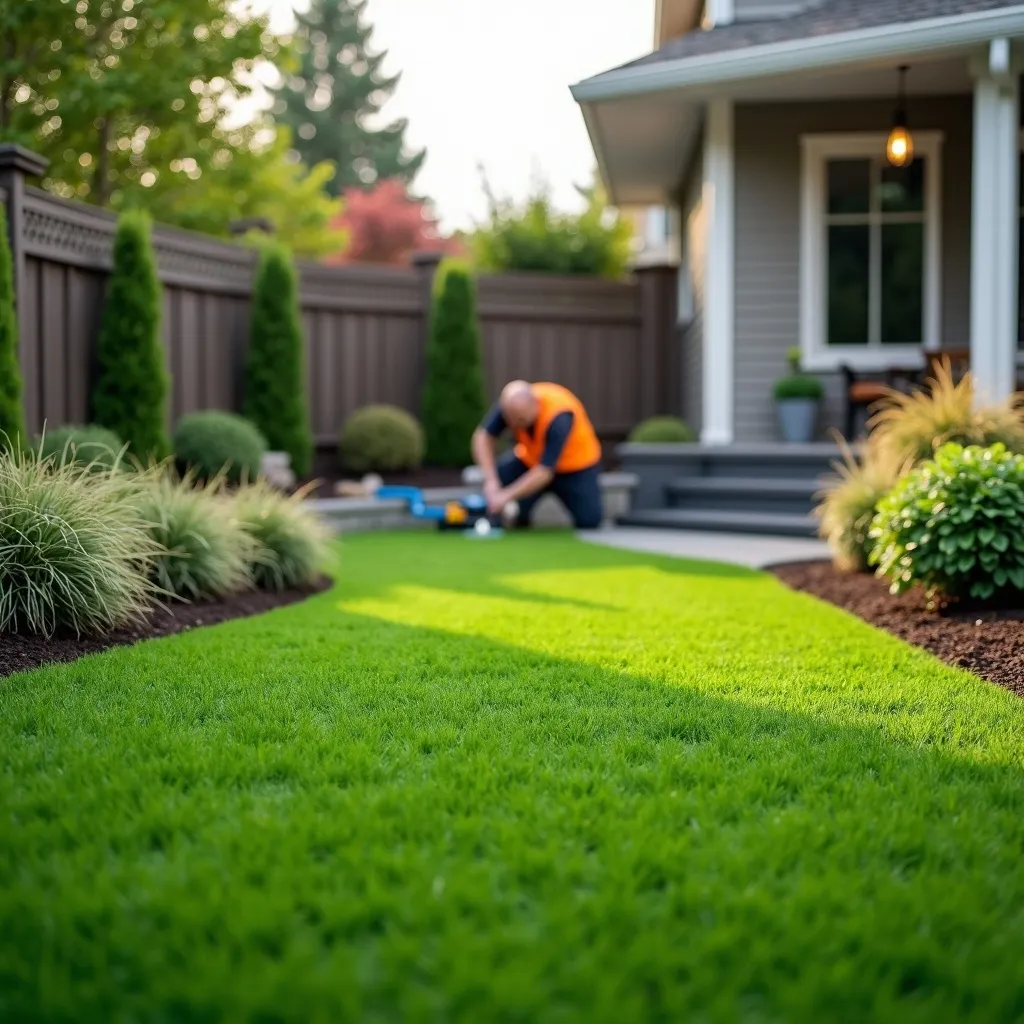
Why Decide on Synthetic Turf? Key Features Outlined
Synthetic turf provides numerous advantages that make it an appealing choice for diverse applications. One important benefit is its minimal maintenance requirement. Unlike natural grass, synthetic turf does not need regular mowing, watering, or fertilization, which conserves time and resources. Additionally, it remains vibrant and green year-round, regardless of climate conditions, providing consistent aesthetics.
A further advantage is toughness; synthetic turf can endure heavy foot traffic and adverse weather without deteriorating. This strength makes it perfect for sports fields, playgrounds, and residential lawns. Moreover, synthetic turf is engineered to be safe and non-toxic, decreasing the risk of allergens and pests.
Cost-effectiveness is also a critical advantage, as it can create reduced water expenses and lowered maintenance expenses over time. Overall, the blend of aesthetics, durability, safety, and economic savings makes synthetic turf an increasingly popular choice for homeowners and businesses alike.
Determining the Right Type of Synthetic Turf
Determining the appropriate form of artificial grass calls for several critical points. Characteristics including pile height, structural integrity, and available style and appearance possibilities play an important significance in making certain the turf addresses particular demands. Understanding these characteristics supports in making an educated determination that fits operational needs and design preferences.
Turf Pile Height Determinations
When selecting the suitable explore this type of synthetic turf, pile height plays an essential role in both visual appeal and performance. Pile height, which indicates the length of the grass blades, significantly impacts the appearance and usability of the turf. Shorter piles, typically around 1 to 1.5 inches, provide a more trimmed look and are often ideal for high-traffic areas, as they resist flattening. Conversely, taller piles, between 2 to 2.5 inches, deliver a thick, natural appearance, perfect for residential lawns and recreational spaces. However, taller turf may need more upkeep to keep its form. Ultimately, selecting the best pile height means balancing appearance choices with functional needs to achieve the best effect for any outdoor space.
Material Resilience Factors
Durability functions as a vital element in choosing the right type of synthetic turf. When choosing synthetic grass, one must consider the substances used in its production, as they directly influence longevity and performance. High-quality polyethylene fibers are often preferred for their protection to wear and fading, while nylon options provide superior resilience under heavy foot traffic. Additionally, the turf's backing material serves a significant role; a robust, UV-treated backing can improve stability and prevent deterioration over time. Understanding the infill options is also crucial, as certain materials can improve cushioning and help maintain turf shape. Ultimately, selecting durable synthetic turf ensures that the investment withstands environmental challenges while offering lasting beauty and functionality.
Color and Texture Alternatives
While the visual charm of synthetic turf depends greatly on its color and texture options, picking the perfect blend can significantly improve the overall landscape. Homeowners can choose from a selection of colors that include vibrant greens to subtle earthy shades that resemble natural grass. Texture also plays a vital role; choices go from plush, cushioned textures suitable for play areas to thicker, tough varieties fit for areas with heavy use. The interaction of shade and surface can create focus areas or harmonize naturally with surrounding outdoor elements. Ultimately, picking the suitable synthetic grass not only elevates visual appeal but also serves functional purposes, guaranteeing the yard is both inviting and functional for many activities.
Getting Your Yard Ready for Synthetic Turf Installation
Preparing a yard for synthetic turf installation entails several key steps. First, reviewing the current landscape guarantees that the area is conducive for the new surface. Next, eliminating debris and obstacles, followed by straightening and grading the soil, creates an optimal foundation for the turf.
Examine Your Existing Landscape
How can homeowners guarantee their landscape is prepared for synthetic turf installation? First, they should assess the existing ground composition, making sure it is well-draining and without contaminants. Homeowners need to identify any slopes or irregular surfaces that may require leveling to provide a stable foundation for the turf. Additionally, they should consider the sunlight and existing vegetation, as these factors influence the installation process and turf performance. It is also crucial to evaluate any irrigation systems, as they might need adjustment or removal. By carefully reviewing these elements, homeowners can establish a ideal environment for synthetic turf, guaranteeing a successful and long-lasting installation. Proper assessment sets the stage for a seamless transformation of the yard.
Remove debris and obstructions
To secure a trouble-free installation of synthetic turf, homeowners must first clear their yard of debris and obstacles. This step is essential for achieving a flat base and maintaining proper drainage. Homeowners should begin by taking out any rocks, branches, or leaves that may disrupt the fitting process. Additionally, old yard pieces, games, and garden components must be relocated to allow unobstructed access to the installation area. It is advisable to check for any underground utilities, as this can avert potential interruptions. By thoroughly clearing the space, homeowners create an ideal environment for synthetic turf installation, facilitating a effortless process that enhances the overall aesthetic and performance of the yard.
Modify Level and Determine Soil
Achieving a flat and leveled surface is critical for the effective setup of synthetic turf. Correct ground treatment provides optimal water flow and decreases the risk of unequal wearing. This process involves assessing the terrain layout, spotting low areas, and correcting any high areas. Using a rake or grading equipment, the soil can be smoothed and compacted, creating a even base. It is important to extract any rocks, roots, or debris that could interfere with the installation. Additionally, guaranteeing the slope directs water away from structures helps avoid water accumulation and enhances longevity. Hiring experts in this step can increase exactness, leading to a stunning, functional outdoor space that meets the appearance and utility needs of homeowners.
In What Way Does Qualified Placement Strengthen Durability?
While numerous factors contribute to the lifespan of synthetic turf, expert setup plays an essential role in enhancing its durability. Expert installers ensure that the turf is laid on a properly prepared base, which includes pressing the sub-base to prevent settling and uneven wear over time. This preparation minimizes the risk of warping or bunching that can occur with improper installation.
Additionally, experts utilize excellent fastening agents and bonds, which are necessary for maintaining the integrity of the turf. Precision in slicing and assembling pieces stops fraying and enhances the overall aesthetic.
In addition, a professional recognizes the significance of proper infill placement, which supports the surface and adds durability. By adhering to industry standards and proven methods, professional installers establish a solid foundation that substantially extends the longevity of synthetic turf, guaranteeing it resists heavy foot traffic and varying weather conditions without degrading.
What to Expect During Installation?
Synthetic turf setup unfolds in a sequence of organized steps that ensure a seamless output. Initially, the area is sized and identified, confirming correct orientation and coverage. After this, the old grass and waste are removed, creating a pristine base. The ground is adjusted to promote proper drainage, a vital component in preventing water pooling.
Next, a landscape fabric is placed to inhibit future growth, then the setup of a firmly packed sub-base, commonly constructed from crushed stone or decomposed granite. This layer enhances strength and shock absorption. Then, the synthetic turf rolls are precisely positioned, ensuring few seams and maximum aesthetic appeal.
The concluding steps require anchoring the turf with stakes or binding agent, succeeded by topping with grit or recycled particles to boost strength and echo natural grass. This thorough process leads to a lovely, low-maintenance lawn set for immediate pleasure.
Easy Maintenance Strategies for Your Artificial Lawn
Keeping a synthetic lawn well-maintained is simple and requires minimal effort. Regular maintenance entails a few simple tasks to keep the turf looking spotless. Initially, occasional brushing with a hard broom can lift the fibers and avoid matting, ensuring a natural appearance.
Next, debris such as leaves or twigs should be taken away consistently, either by hand or with an electric blower, to prevent buildup and potential color changes. If pets are present, promptly cleaning up pet messes is vital, as it minimizes odors and maintains hygiene.
Additionally, rinsing the surface with water can help remove dust and allergens, making the lawn more enjoyable for everyone. For areas experiencing high foot traffic, periodic infill replenishment may be required to preserve stability and appearance. Following these simple strategies allows homeowners to maintain a vibrant, low-maintenance lawn year-round.
Determining the Expenses: Is Synthetic Turf A Good Choice?
How should one assess the value of synthetic turf compared to traditional grass? Assessing costs involves considering both initial installation and long-term maintenance. While the upfront expense of synthetic turf can be significant—ranging from $5 to $20 per square foot—its longevity often makes it a cost-effective choice. Synthetic lawns can last 15 to 25 years without the need for regular mowing, watering, or fertilizing, substantially reducing ongoing upkeep costs.
Property owners need to account for the environmental impact. Synthetic turf eliminates the reliance on pesticides and herbicides, supporting a more environmentally responsible landscape. Furthermore, it delivers a consistent, green appearance throughout the year, which can improve property value.
Ultimately, the value of synthetic turf centers on personal choices and contexts. For those seeking easy care and attractive appearance, the investment may be justified, while traditional grass might still satisfy others' needs better.
Inquiries That Are Frequently Asked
May Artificial Turf Be Installed Over Already Present Grass?
Yes, artificial turf can be installed over current lawn, but adequate preparation is crucial. This requires ensuring the grass is flattened and free of debris to create an appropriate foundation for the new grass application.
How long Does Synthetic Turf Generally Last?
Synthetic turf typically lasts between 15 to 25 years, based on elements including quality, maintenance, and environmental conditions. Regular upkeep can improve its lifespan, rendering it a durable option for various landscaping needs.
Is Artificial Turf Safe for Animals and Kids?
Synthetic turf is typically safe for pets and children, as it is engineered to be free from toxins and free from harmful chemicals. Regular maintenance guarantees cleanliness, fostering a safe recreational space for both pets and kids.
Can Synthetic Turf Be Recycled?
Yes, synthetic turf can be reused. Many producers offer initiatives to recover old grass, permitting it to be processed into new products. This aids reduce waste and encourages environmental sustainability in landscaping solutions.
What Occurs if It Rains After Setup?
Upon installation, synthetic turf usually handles water drainage well, eliminating standing water. That said, it may require light maintenance post-rain, such as brushing or removing debris, to guarantee peak performance and appearance when weather is wet.